

Hey there! I'm a supplier of plating lines, and I know how crucial it is to keep these lines clean. A well - maintained plating line not only ensures high - quality plating results but also extends the lifespan of the equipment. So, let's dive into how to clean a plating line.
Pre - Cleaning Preparation
Before you start the actual cleaning process, there are a few things you need to do. First off, you gotta shut down the plating line. This is a no - brainer as you don't want any accidents while cleaning. Make sure to turn off all the power sources, pumps, and heaters. Safety first, right?
Next, drain all the plating solutions from the tanks. You can store these solutions in proper containers for recycling or disposal according to environmental regulations. It's important to handle these chemicals carefully because they can be pretty hazardous.
Once the tanks are drained, gather all the cleaning supplies you'll need. You'll typically need some mild detergents, scrub brushes, sponges, and a pressure washer if you have one. Make sure these supplies are compatible with the materials used in your plating line.
Cleaning the Tanks
The tanks are the heart of the plating line, so they need some extra attention. Start by filling the tanks with warm water and adding a small amount of mild detergent. Let the solution sit for a while to loosen up any dirt, debris, or plating residues.
After the soaking time, use a scrub brush to clean the inside walls of the tanks. Pay special attention to the corners and edges where dirt tends to accumulate. You might need to put in some elbow grease, but it'll be worth it. If there are stubborn stains, you can use a more concentrated detergent solution or a specialized tank cleaner.

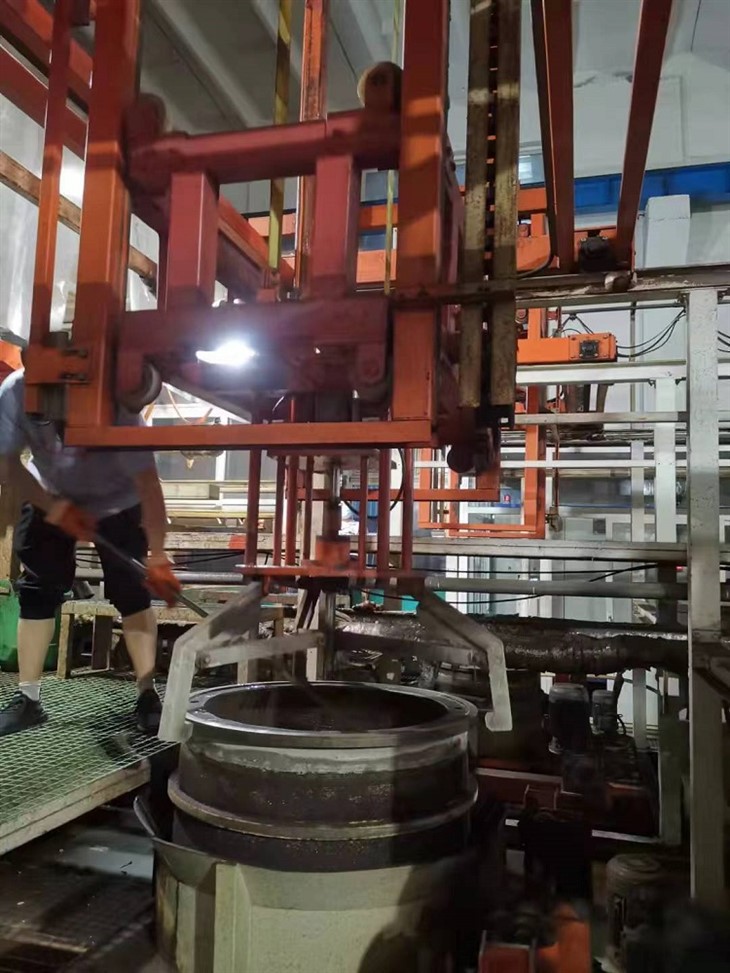
Once you've scrubbed the tanks thoroughly, drain the soapy water and rinse the tanks multiple times with clean water. You want to make sure there's no detergent left in the tanks because it can affect the plating process. A pressure washer can be really handy here to get a more thorough rinse.
Cleaning the Pipes and Hoses
The pipes and hoses in a plating line can get clogged with plating particles and other debris over time. To clean them, start by disconnecting them from the tanks and other components. You can use a pipe cleaner or a long brush to remove any visible dirt from the inside of the pipes.
For a more in - depth cleaning, you can soak the pipes and hoses in a cleaning solution. A mixture of water and vinegar can be a great natural cleaner. Let them soak for a few hours, then rinse them thoroughly with clean water. Make sure to check for any signs of damage, such as cracks or leaks, while you're cleaning them.
If you have a complex piping system, you might want to consider using a pipe flushing system. This can help to clear out any blockages deep inside the pipes. Just follow the manufacturer's instructions when using such a system.
Cleaning the Electrodes
The electrodes play a vital role in the plating process, so keeping them clean is essential. Over time, electrodes can develop a layer of plating deposits, which can reduce their efficiency. To clean the electrodes, first, remove them from the plating tank.
You can use a soft brush to gently scrub the surface of the electrodes to remove the deposits. Be careful not to damage the electrode material. If the deposits are really stubborn, you can soak the electrodes in a weak acid solution for a short period. However, make sure to follow the safety guidelines when handling acids.
After cleaning, rinse the electrodes thoroughly with clean water and dry them before reinstalling them in the tank. This will help to ensure optimal performance during the plating process.
Cleaning the Filtration System
The filtration system in a plating line is responsible for removing impurities from the plating solution. Over time, the filters can get clogged, which can reduce the flow rate and the effectiveness of the filtration.
Start by shutting down the filtration system and removing the filters. Depending on the type of filters you have, you can either clean them or replace them. Some filters can be cleaned by back - flushing with clean water or by soaking them in a cleaning solution.
If the filters are too dirty or damaged, it's best to replace them. Make sure to use the correct type of filters for your plating line to ensure proper filtration. After cleaning or replacing the filters, reinstall them in the filtration system and make sure everything is properly connected.
Post - Cleaning Checks
Once you've completed the cleaning process, it's important to do a final check of the plating line. Reconnect all the pipes, hoses, and components that you disconnected during the cleaning. Make sure all the connections are tight to prevent any leaks.
Fill the tanks with fresh plating solution and run a test cycle of the plating line. Check for any abnormal noises, vibrations, or leaks. Monitor the plating process to ensure that the quality of the plating is up to par. If you notice any issues, you might need to go back and double - check your cleaning work.
Different Types of Plating Lines and Their Cleaning Considerations
We offer different types of plating lines, such as the Claw Passivation Line, Claw Phosphating Line, and Rolling Plating Line. Each type has its own unique cleaning requirements.
For the Claw Passivation Line, the passivation process involves the use of specific chemicals. When cleaning this line, you need to make sure that all the passivation residues are completely removed. The tanks and pipes might require a more aggressive cleaning approach to get rid of these residues.
The Claw Phosphating Line uses phosphating solutions, which can leave behind a different type of residue compared to passivation. The cleaning process for this line might involve using different detergents or cleaning agents that are specifically designed to remove phosphating residues.
The Rolling Plating Line has moving parts, such as rollers. When cleaning this line, you need to pay special attention to these moving parts. Make sure to clean the rollers thoroughly to prevent any build - up that could affect the rolling motion. Also, check the lubrication of the moving parts and re - lubricate if necessary.
Conclusion
Cleaning a plating line is a time - consuming but necessary task. By following these steps and taking into account the specific requirements of your plating line, you can keep your equipment in top condition and ensure high - quality plating results.
If you're in the market for a new plating line or need help with the cleaning and maintenance of your existing one, don't hesitate to reach out. We're here to assist you with all your plating line needs. Whether you're looking for a Claw Passivation Line, Claw Phosphating Line, or Rolling Plating Line, we've got you covered. Contact us for a consultation and let's start a great partnership!
References
- "Plating Line Maintenance Handbook"
- Manufacturer's manuals for plating line equipment


