

Hey there! As a supplier of plating lines, I totally get the headaches that come with fume generation in plating processes. Fumes not only pose health risks to workers but can also cause environmental pollution and damage to equipment. So, I'm here to share some practical tips on how to prevent the plating line from generating fumes.
1. Choose the Right Chemicals
The chemicals used in the plating process play a huge role in fume generation. Some chemicals are more volatile and likely to produce fumes. When selecting chemicals for your plating line, go for those with lower vapor pressures. For example, use plating solutions that are formulated to be less likely to release noxious fumes.
Manufacturers are constantly researching and developing more eco - friendly and less fume - prone plating chemicals. By partnering with chemical suppliers who are committed to innovation, you can get access to the latest and greatest products in the market. This might cost a bit more upfront, but in the long run, it'll save you a lot of trouble associated with fume management.
2. Optimize the Process Parameters
Adjusting the process parameters can significantly reduce fume generation. Temperature is a crucial factor. If the plating solution is too hot, it can increase the evaporation rate of chemicals, leading to more fumes. Make sure to keep the temperature within the recommended range for the specific plating process.
For instance, in some electroplating processes, the ideal temperature might be between 50 - 60 degrees Celsius. By carefully monitoring and controlling the temperature with proper heating and cooling systems, you can minimize fume production.
Agitation also matters. Excessive agitation can cause splashing and the formation of tiny droplets that can easily turn into fumes. On the other hand, insufficient agitation might lead to uneven plating and can also contribute to fume - related issues. So, find the right balance for agitation in your plating line.
3. Install Proper Ventilation Systems
A good ventilation system is a must - have for any plating line. It helps to remove fumes from the work area and prevents them from accumulating. There are different types of ventilation systems you can consider.
Local exhaust ventilation (LEV) is highly effective. It captures fumes at the source, right where they are generated. For example, you can install hoods over the plating tanks. These hoods are connected to a duct system that leads the fumes outside or to a fume treatment unit.
General ventilation is also important. It provides fresh air to the entire work area, diluting any remaining fumes. You can use fans and air - handling units to ensure proper air circulation in the plating facility.
When choosing a ventilation system, make sure it's sized correctly for your plating line. An undersized system won't be able to remove fumes effectively, while an oversized system can be a waste of energy and money.
4. Use Fume Suppressant Additives
Fume suppressant additives can be a great solution to reduce fume generation. These additives are designed to form a thin layer on the surface of the plating solution, which prevents the evaporation of chemicals and the formation of fumes.
There are many different types of fume suppressants available in the market. Some are based on surfactants, which lower the surface tension of the solution and make it harder for fumes to escape. Others are made from polymers that form a protective film.

Before using any fume suppressant additive, it's important to test it in your plating line to make sure it doesn't affect the quality of the plating. You may need to adjust the dosage based on the specific conditions of your process.
5. Maintain the Plating Line Regularly
Proper maintenance of the plating line can go a long way in preventing fume generation. Leaks in the plating tanks or pipes can lead to the release of chemicals, which can then turn into fumes. Regularly check for any signs of leaks and repair them immediately.
Keep the plating tanks clean. Over time, sediment and contaminants can build up in the tanks, which can affect the chemical reactions and increase fume production. Clean the tanks at regular intervals to ensure optimal performance.
Also, make sure all the equipment in the plating line, such as pumps, heaters, and agitators, is in good working condition. Malfunctioning equipment can cause irregularities in the plating process, which may lead to more fumes.
Specific Types of Plating Lines and Fume Prevention
Let's take a look at some specific types of plating lines and how we can prevent fume generation in each of them.
Hanging Plating Line
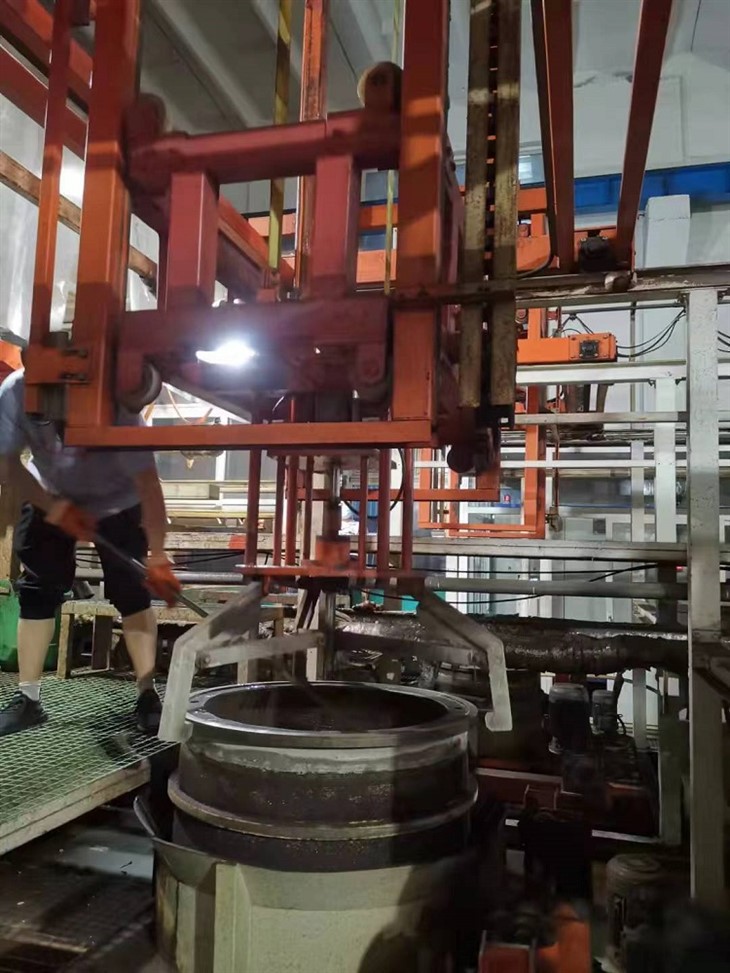
The Hanging Plating Line is commonly used for plating large or irregularly shaped parts. In this type of plating line, the parts are hung on racks and dipped into the plating solutions.
To prevent fumes, you can focus on the ventilation around the dipping area. Install a well - designed hood that covers the entire dipping process. Also, since the parts are often moved in and out of the tanks, make sure there are no spills or splashes. You can use splash guards to minimize the risk.
Claw Phosphating Line
The Claw Phosphating Line is used for phosphating processes, which can produce fumes if not properly managed. Phosphating solutions usually contain acids and other chemicals that can be volatile.
For this type of plating line, it's important to use fume suppressant additives in the phosphating solution. Also, the ventilation system should be designed to handle the specific fumes produced by the phosphating process. You may need to use a scrubber in the ventilation system to remove any acidic fumes before they are released into the environment.
Horizontal Plating Line
The Horizontal Plating Line is suitable for plating long and flat parts. In this type of plating line, the parts move horizontally through the plating solutions.
To prevent fumes, ensure that the plating tanks are properly sealed. Any gaps or openings can allow fumes to escape. You can also use a continuous ventilation system along the length of the plating line to capture fumes as they are generated.
Conclusion
Preventing fume generation in the plating line is not only about protecting the health of your workers and the environment but also about improving the efficiency and quality of your plating process. By following the tips I've shared, such as choosing the right chemicals, optimizing process parameters, installing proper ventilation systems, using fume suppressant additives, and maintaining the plating line regularly, you can significantly reduce fume production.
If you're in the market for a new plating line or looking to upgrade your existing one, we're here to help. We have a wide range of plating lines that are designed with fume prevention in mind. Contact us to start a conversation about your specific needs and how we can provide you with the best solutions for your plating operations.
References
- "Plating Processes and Their Environmental Impact" - A research paper on plating industry environmental concerns.
- "Fume Management in Industrial Plating" - A handbook on fume control techniques in plating.
- Manufacturer's guides on plating chemicals and equipment.


