

As a provider of Rolling Phosphating Lines, I understand the importance of effectively training operators to ensure the optimal performance of this equipment. In this blog post, I will share some key strategies and best practices on how to train operators to use a Rolling Phosphating Line effectively.
Understanding the Basics of Rolling Phosphating Line
Before starting the training, it is crucial to ensure that operators have a solid understanding of the basic principles and components of a Rolling Phosphating Line. A Rolling Phosphating Line is a specialized piece of equipment used for phosphating metal surfaces, which helps to improve corrosion resistance, paint adhesion, and overall surface quality.

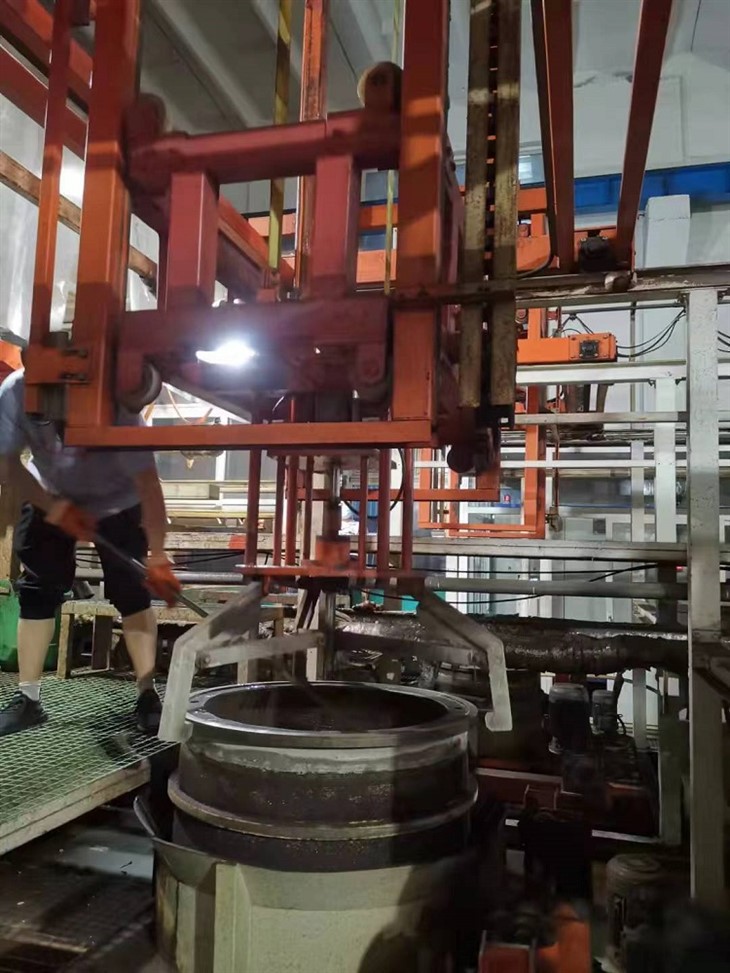
The line typically consists of several sections, including a cleaning section, a phosphating section, a rinsing section, and a drying section. Each section plays a vital role in the phosphating process, and operators need to understand how they work together to achieve the desired results.
Theoretical Training
The first step in training operators is to provide them with theoretical knowledge about the Rolling Phosphating Line. This can be done through classroom lectures, presentations, and training materials.
- Introduction to the Phosphating Process: Explain the chemical reactions involved in the phosphating process, including the formation of phosphate coatings on the metal surface. Discuss the different types of phosphating solutions and their applications.
- Line Components and Functions: Provide a detailed overview of the various components of the Rolling Phosphating Line, such as tanks, pumps, heaters, and conveyors. Explain how each component works and its role in the overall process.
- Safety Procedures: Emphasize the importance of safety in operating the Rolling Phosphating Line. Train operators on proper safety procedures, including the use of personal protective equipment (PPE), handling of chemicals, and emergency response protocols.
- Quality Control: Teach operators about the key quality control parameters in the phosphating process, such as coating thickness, adhesion, and corrosion resistance. Explain how to monitor and adjust these parameters to ensure consistent quality.
Hands - on Training
After the theoretical training, it is essential to provide operators with hands - on experience on the Rolling Phosphating Line. This practical training allows them to apply the knowledge they have learned and develop the necessary skills to operate the equipment effectively.
- Equipment Familiarization: Allow operators to familiarize themselves with the physical layout of the Rolling Phosphating Line. Show them how to start, stop, and operate the equipment, including the control panels and monitoring systems.
- Process Operation: Guide operators through the entire phosphating process, from loading the metal parts onto the conveyor to unloading the finished products. Demonstrate how to adjust the process parameters, such as temperature, time, and chemical concentrations, based on the specific requirements of the parts being processed.
- Troubleshooting: Train operators on how to identify and troubleshoot common problems that may occur during the operation of the Rolling Phosphating Line. Provide them with a troubleshooting guide and teach them how to perform basic maintenance tasks, such as cleaning the tanks and replacing filters.
- Quality Inspection: Teach operators how to perform quality inspections on the phosphated parts. Show them how to use inspection tools, such as thickness gauges and adhesion testers, and how to interpret the inspection results.
Continuous Training and Support
Training is not a one - time event but an ongoing process. To ensure that operators can continuously improve their skills and knowledge, it is important to provide them with continuous training and support.
- Refresher Courses: Conduct regular refresher courses to reinforce the operators' understanding of the Rolling Phosphating Line and the phosphating process. These courses can cover new technologies, process improvements, and safety updates.
- On - the - job Support: Provide operators with on - the - job support from experienced technicians or supervisors. Encourage them to ask questions and seek help whenever they encounter problems or need clarification.
- Performance Evaluation: Regularly evaluate the operators' performance to identify areas for improvement. Provide feedback and coaching to help them enhance their skills and productivity.
Importance of Training for Different Types of Pretreatment Lines
In addition to the Rolling Phosphating Line, our company also offers other types of surface treatment equipment, such as the Claw Pretreatment Line and the Rolling Pretreatment Line. While the basic principles of training are similar, each type of line may have its own unique features and requirements.
For example, the Claw Pretreatment Line is designed for specific types of parts with claw - shaped geometries. Operators need to be trained on how to handle these parts properly and adjust the process parameters accordingly. Similarly, the Rolling Pretreatment Line may have different conveyor systems and process flow compared to the Rolling Phosphating Line, which requires additional training on its operation.
Another related equipment is the Claw Phosphating Line. Training operators for this line involves understanding the specific phosphating requirements for claw - shaped parts, such as ensuring uniform coating thickness on complex surfaces.
Conclusion and Call to Action
Effectively training operators to use a Rolling Phosphating Line is crucial for achieving high - quality phosphating results, improving productivity, and ensuring the safety of the operation. By providing comprehensive theoretical and hands - on training, continuous support, and performance evaluation, operators can become proficient in operating the equipment and contribute to the success of your business.
If you are interested in our Rolling Phosphating Line or other surface treatment equipment, we invite you to contact us for more information. Our team of experts is ready to assist you in selecting the right equipment for your needs and providing you with professional training and support.
References
- Smith, J. (2018). Phosphating Technology Handbook. Publisher Name.
- Jones, A. (2020). Surface Treatment Equipment Operation and Maintenance. Another Publisher.


