

Hey there! I'm a supplier of Rolling Phosphating Lines, and I'm super excited to chat with you about the latest technological advancements in this field. Phosphating is a crucial process in surface treatment, which involves the formation of a phosphate coating on metal surfaces to enhance corrosion resistance, paint adhesion, and lubrication. Rolling Phosphating Lines are designed to handle continuous processing of metal strips, sheets, or coils, offering high efficiency and quality. So, let's dive into the cutting-edge tech that's shaping the future of these lines.
Automation and Robotics
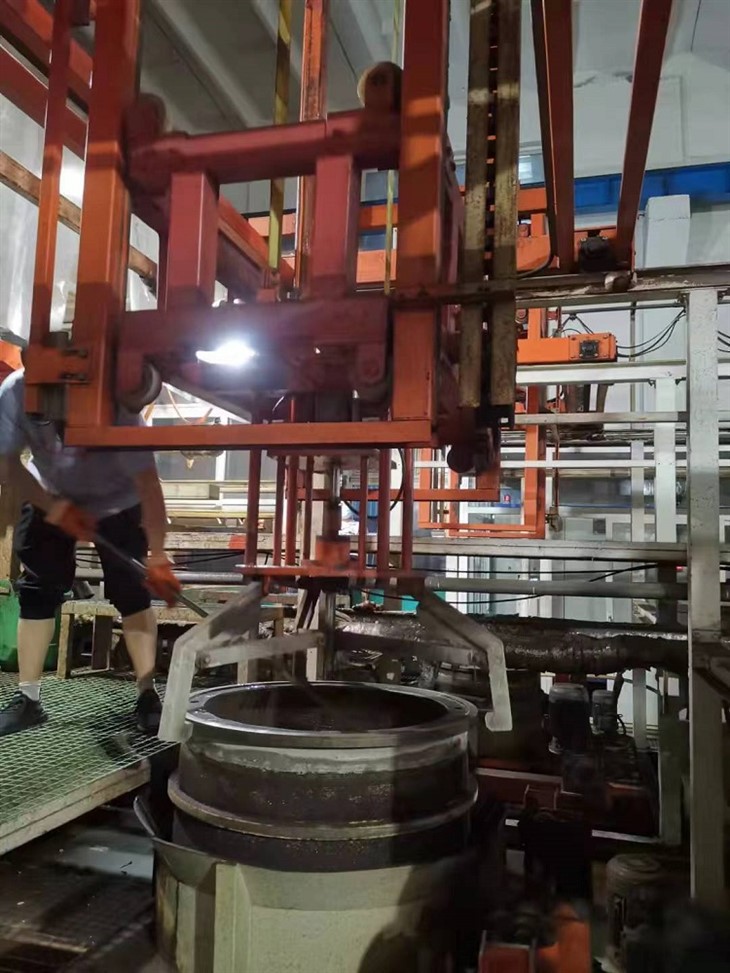
One of the most significant advancements in Rolling Phosphating Line design is the integration of automation and robotics. Automation has been a game-changer in the manufacturing industry, and Rolling Phosphating Lines are no exception. Modern lines are equipped with advanced sensors, controllers, and actuators that can monitor and adjust various process parameters in real-time. This ensures consistent quality, reduces human error, and increases productivity.
Robots are also being increasingly used in Rolling Phosphating Lines to perform tasks such as loading and unloading of workpieces, spraying of chemicals, and inspection. These robots can work 24/7 without fatigue, improving the overall efficiency of the line. For example, some robots are designed to pick and place metal coils onto the line with high precision, reducing the risk of damage during handling. Others can perform quality inspections using advanced vision systems, detecting defects such as scratches, dents, or uneven coating thickness.
Advanced Coating Technologies
Another area of innovation in Rolling Phosphating Line design is the development of advanced coating technologies. Traditional phosphating processes use zinc or manganese phosphates to form the coating, but new technologies are emerging that offer improved performance and environmental friendliness.
One such technology is the use of nano-phosphates. Nano-phosphates have a much smaller particle size compared to traditional phosphates, which allows for a more uniform and dense coating. This results in better corrosion resistance and paint adhesion. Additionally, nano-phosphates can be applied at lower temperatures, reducing energy consumption and environmental impact.
Another advanced coating technology is the use of organic-inorganic hybrid coatings. These coatings combine the advantages of organic polymers and inorganic phosphates, offering excellent corrosion resistance, flexibility, and adhesion. Organic-inorganic hybrid coatings can also be tailored to meet specific application requirements, such as high-temperature resistance or chemical resistance.
Energy Efficiency
Energy efficiency is a major concern in the manufacturing industry, and Rolling Phosphating Lines are no exception. New designs are focusing on reducing energy consumption by optimizing the process flow, using energy-efficient equipment, and recovering waste heat.
One way to improve energy efficiency is to use a closed-loop system. In a closed-loop system, the chemicals used in the phosphating process are recycled and reused, reducing the need for fresh chemicals and minimizing waste. Additionally, the heat generated during the process can be recovered and used to preheat the incoming workpieces or the process chemicals, reducing the energy required for heating.
Another approach is to use energy-efficient equipment, such as high-efficiency pumps, motors, and heaters. These equipment are designed to consume less energy while maintaining the same level of performance. For example, some pumps are designed with variable speed drives, which can adjust the pump speed according to the process requirements, reducing energy consumption.
Environmental Friendliness
In addition to energy efficiency, environmental friendliness is also a key consideration in Rolling Phosphating Line design. New designs are focusing on reducing the use of hazardous chemicals, minimizing waste generation, and improving water treatment.
One way to reduce the use of hazardous chemicals is to use alternative phosphating processes that do not require the use of heavy metals such as zinc or manganese. For example, some processes use iron phosphates, which are less toxic and more environmentally friendly. Additionally, new chemicals are being developed that are biodegradable and have a lower impact on the environment.
Another approach is to minimize waste generation by optimizing the process flow and using recycling and reuse systems. For example, the rinse water used in the phosphating process can be treated and reused, reducing the amount of wastewater generated. Additionally, the sludge generated during the process can be treated and recycled, reducing the amount of solid waste.
Integration with Other Processes
Rolling Phosphating Lines are often integrated with other processes in the manufacturing line, such as cleaning, painting, and drying. New designs are focusing on improving the integration between these processes to improve the overall efficiency and quality of the manufacturing line.
One way to improve integration is to use a modular design. In a modular design, the Rolling Phosphating Line is divided into several modules, each of which can be easily integrated with other processes. This allows for greater flexibility and customization, as the modules can be added or removed according to the specific requirements of the manufacturing line.
Another approach is to use advanced control systems that can coordinate the operation of the different processes in the manufacturing line. These control systems can monitor and adjust the process parameters in real-time, ensuring that the different processes are operating in sync and producing high-quality products.

Conclusion
In conclusion, the latest technological advancements in Rolling Phosphating Line design are revolutionizing the surface treatment industry. Automation and robotics are improving efficiency and quality, advanced coating technologies are offering better performance and environmental friendliness, energy efficiency is being optimized, environmental friendliness is being enhanced, and integration with other processes is being improved.
As a supplier of Rolling Phosphating Lines, I'm committed to staying at the forefront of these technological advancements and providing my customers with the best possible solutions. If you're interested in learning more about our Rolling Phosphating Lines or have any questions about the latest technological advancements, please don't hesitate to [contact us for a detailed discussion and procurement negotiation]. We'd love to hear from you and help you find the perfect solution for your needs.
References
- [List of relevant industry reports, research papers, or technical documents related to Rolling Phosphating Line design and technological advancements]


