

Hey there! I'm a supplier of Claw Phosphating Lines, and today I wanna chat about how the production scale can impact the choice of a Claw Phosphating Line.
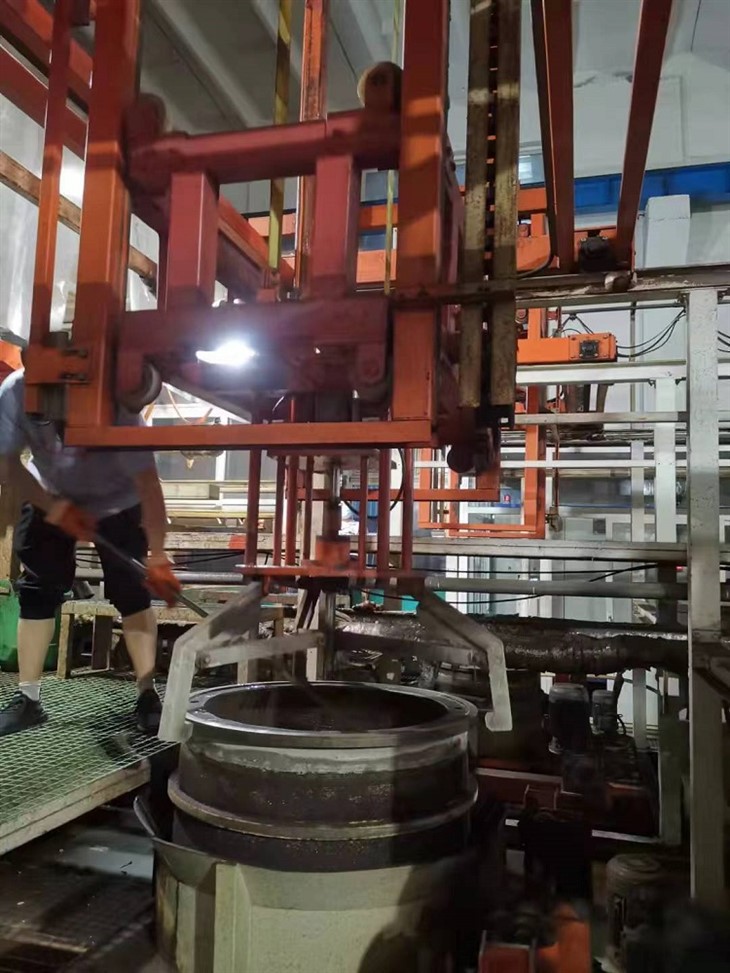
First off, let's understand what a Claw Phosphating Line is. It's a key piece of equipment in the surface - treatment industry. You can check out more details about it here. Phosphating is a process that creates a phosphate coating on metal surfaces, which helps with corrosion resistance, paint adhesion, and lubrication.
Now, when it comes to production scale, there are three main categories: small - scale, medium - scale, and large - scale production. Each of these has its own unique requirements and considerations when choosing a Claw Phosphating Line.
Small - Scale Production
Small - scale production is often seen in workshops or small factories. Maybe they're producing a few hundred parts a day or have a limited production run for a specific project. For small - scale operations, cost is usually a major concern. You don't want to invest a huge amount of money in a large, complex phosphating line when you don't need to.
A small - scale Claw Phosphating Line can be more compact and less expensive. It might have a simpler design with fewer tanks and less automation. For example, manual loading and unloading of parts could be sufficient. This kind of setup is also easier to operate and maintain, which is great for small teams with limited technical expertise.
Another advantage of a small - scale line is its flexibility. You can easily adjust the production process for different types of parts. If you're producing a variety of claw - shaped components with different sizes and materials, a small - scale line allows you to make quick changes. However, the downside is that the production speed is relatively slow. If your demand suddenly increases, it might be difficult to keep up.
If you're interested in small - scale solutions for surface treatment, you might also want to look at the Rolling Pretreatment Line, which can be a good option for some small - scale operations.
Medium - Scale Production
Medium - scale production typically involves producing thousands of parts per day. At this level, you need a balance between cost - effectiveness and production efficiency. A medium - scale Claw Phosphating Line will likely have more automation compared to a small - scale one. This could include automated part handling systems, such as conveyors or robotic arms, to move parts through the different stages of the phosphating process.
With more automation, the production speed increases, and the quality of the phosphating process becomes more consistent. You can also have more precise control over the process parameters, like temperature, chemical concentration, and immersion time. This is important for ensuring that all the parts meet the required quality standards.
However, a medium - scale line also requires more space and a higher initial investment. You'll need to have a proper infrastructure in place, including a reliable power supply and a system for handling the chemicals used in the phosphating process. Maintenance also becomes more complex, and you might need to have a dedicated maintenance team or technician.
For medium - scale operations, the Claw Pretreatment Line can be a valuable addition to the production line, as it can help prepare the parts before the phosphating process.
Large - Scale Production
Large - scale production is all about high - volume output, often producing tens of thousands or even more parts per day. For large - scale operations, the Claw Phosphating Line needs to be highly automated and efficient. It will usually have multiple parallel lines or a continuous - flow design to maximize the throughput.
The equipment in a large - scale line is built to handle heavy - duty use. It has advanced control systems that can monitor and adjust the process in real - time. For example, sensors can detect any changes in the chemical composition of the phosphating bath and automatically add the necessary chemicals to maintain the right concentration.
In large - scale production, quality control is of utmost importance. There are usually multiple inspection points along the line to ensure that every part meets the strict quality requirements. The investment in a large - scale Claw Phosphating Line is significant, but the economies of scale come into play. The cost per part can be significantly reduced due to the high production volume.
However, large - scale lines are also very complex and require a large amount of space, a well - trained workforce, and a sophisticated maintenance plan. Any downtime can result in significant losses, so reliability is crucial.
Considerations Beyond Production Scale
When choosing a Claw Phosphating Line, production scale isn't the only factor to consider. The type of parts you're producing is also important. Different materials and shapes of claws might require different phosphating processes and equipment configurations. For example, parts with complex geometries might need special agitation systems in the phosphating tanks to ensure uniform coating.
The quality standards of your end - products also play a role. If you're supplying parts to industries with strict quality requirements, like the automotive or aerospace industries, you'll need a phosphating line that can consistently produce high - quality coatings.
Environmental regulations are another crucial aspect. Phosphating processes often involve the use of chemicals, and you need to make sure that your line complies with all the relevant environmental laws. This might mean investing in waste - treatment systems or using more environmentally friendly chemicals.

Conclusion
In conclusion, the production scale has a huge impact on the choice of a Claw Phosphating Line. Whether you're running a small workshop, a medium - sized factory, or a large - scale manufacturing plant, there's a phosphating line that suits your needs.
If you're in the market for a Claw Phosphating Line, it's important to carefully evaluate your production requirements, budget, and long - term goals. And if you have any questions or need more information, don't hesitate to reach out. We're here to help you find the perfect solution for your surface - treatment needs. Let's talk about how we can work together to improve your production process and get the best results for your business.
References
- General knowledge of surface - treatment industry and phosphating processes.
- Industry reports on production scale and equipment selection in the metal - finishing sector.


